


Autism symptoms usually include difficulties in communication, repetitive behaviors, and heightened sensitivities to sound or touch. The severity of symptoms varies for every child or adult. Some of the most important signs that can help parents and specialists identify this condition include:
-
Difficulty maintaining eye contact
-
Delayed speech or limited use of words
-
Strong interest in a specific activity or topic
-
Repetitive movements (such as hand-flapping or spinning)
-
Extreme sensitivity or indifference to sound, light, or touch
-
Challenges in forming social connections and participating in group play
These symptoms can appear differently and with varying intensity in each child, and an accurate diagnosis must be made by a specialist. Recognizing symptoms early and precisely can greatly improve the child’s quality of life and reassure families that they are not alone. Understanding these signs is crucial, as any delay in diagnosis may result in missed opportunities for optimal therapy and education.

This text provides a comprehensive overview of autism symptoms, their classification, and the impact of this condition on various aspects of a child’s life. It also introduces key strategies for identifying and managing these symptoms, enabling families and caregivers to better respond to the needs of their children and facilitate their growth and development.
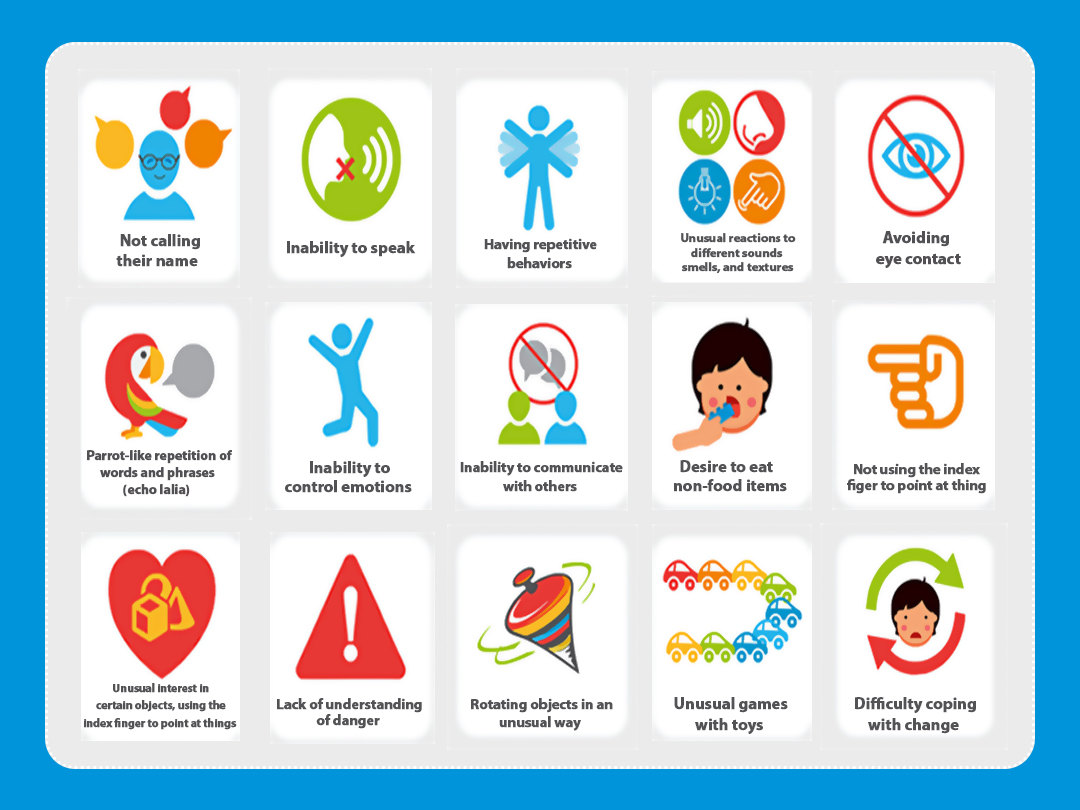
What Are the Signs of Autism?
They are a set of behavioral, communicational, and sensory patterns that relate to differences in brain function and information processing. Neuroscience research shows that the brains of individuals on the autism spectrum function differently in areas related to social communication, emotional understanding, and motor coordination. These differences cause children with autism to face challenges in social interactions, making eye contact, understanding body language, or using speech.
The nature of autism symptoms is not uniform, and their intensity and manifestation vary from one individual to another. Some children may experience delays in speech, while others may have strong verbal abilities but struggle with understanding others’ intentions or regulating their emotions. Repetitive behaviors such as spinning objects, specific body movements, or intense interest in limited topics are also common features that often help with sensory regulation or managing anxiety.
From a scientific perspective, these behaviors are not signs of a defect but rather a reflection of the unique way the brain processes information. Understanding this helps parents and educators shift from trying to “correct” behaviors to creating a supportive and accommodating environment.
Differences Between Behavioral, Linguistic, and Social Signs in Autism
Autism spectrum disorder is a set of developmental differences that appear in three main areas: behavior, language, and social interaction. Understanding the distinctions between these signs is essential for more accurate diagnosis and designing effective therapeutic interventions.
Behavioral signs in autism typically include repetitive patterns and restricted behaviors. A child may display specific movements such as hand-flapping, spinning objects, or consistently following a fixed routine. These behaviors often serve as a way to regulate emotions or respond to intense sensory input and may reflect anxiety or a need for predictability in the environment.
Linguistic (language-related) signs involve how a child understands and uses spoken language. Some children with autism may begin speaking later than their peers or use words in unusual ways. In some cases, speech may be structurally correct, but the child struggles with understanding tone, sarcasm, or the intent behind words. Echolalia (automatic repetition of phrases or sentences heard from others) is one of the common linguistic signs in autism.
Social signs refer to difficulties in reciprocal communication, recognizing others’ emotions, and maintaining relationships. Children on the autism spectrum may make limited eye contact, show little interest in group play, or struggle to understand social boundaries.
Signs You Should Recognize
Difficulty maintaining eye contact and using appropriate body language
Complete lack of interest in social interactions and relationships
Impairments in nonverbal communication behaviors
Stereotyped and repetitive physical movements
Using objects in a uniform or repetitive manner
Strong adherence to routines and daily rituals
Over- or under-reacting to sensory stimuli
Walking on tiptoes
Cognitive skills that do not match the child’s developmental age
An important point is that, to determine whether an individual has both intellectual disability and autism spectrum disorder simultaneously, their social communication skills must be below what is expected for their overall developmental level.
It is important to note that having the above symptoms does not necessarily mean a child has autism. However, if parents observe several of these behaviors in their child, it is advisable to consult a specialist.
Autism Symptoms at Different Ages
Autism symptoms can vary across different stages of life. Understanding these changes helps parents design appropriate interventions at each stage and strengthen the child’s abilities. Symptoms in infancy, childhood, adolescence, and adulthood present differently, and each age group requires specific attention. Below are the autism symptoms across various age ranges:
Infants
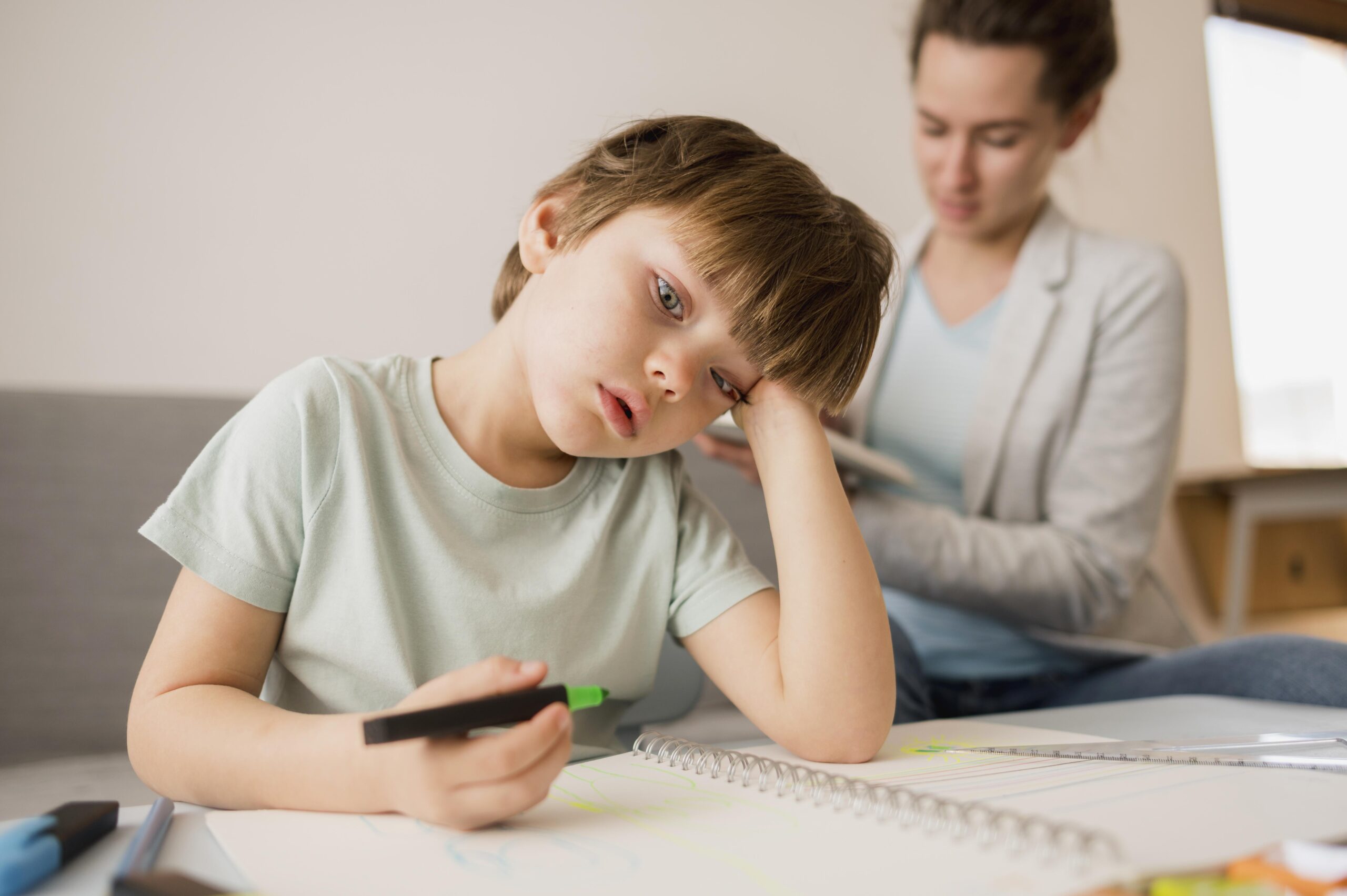
In infants, autism symptoms are often subtle and not easily noticeable. Some signs include limited response to the parent’s voice or face, reduced eye contact, and a decreased reaction to environmental stimuli. The infant may smile less or show limited engagement in social interactions. These behaviors may represent the earliest signs of autism spectrum disorder, and early identification is crucial for beginning timely interventions.
Adolescents and Adults
Understanding autism symptoms in adolescents and adults is very important, as behavioral and social characteristics may appear differently compared to childhood. Many individuals who were not diagnosed in childhood may face challenges during adolescence or adulthood that require support and specific skill training.
One of the most prominent symptoms of autism in adolescents and adults is social difficulty. Individuals may struggle to communicate with others, form and maintain friendships, or understand others’ behaviors and emotions. These limitations can lead to feelings of isolation, social anxiety, and reduced self-confidence.
Repetitive behaviors and restricted interests also continue in this age group. Some adolescents and adults may show intense focus on specific topics or engage in repetitive behaviors such as hand movements, organizing objects, or strictly adhering to daily routines.
Sensory issues are another significant symptom of autism in adolescents and adults. Heightened sensitivity to sound, light, touch, or environmental changes can cause anxiety and discomfort, making daily life more challenging. Academic or workplace difficulties may also arise, as differences in information processing, organization, and social skills can affect performance in school or professional settings.
Autism Symptoms in Children
Identifying autism in childhood plays a decisive role in improving a child’s developmental, learning, and social skills. From a scientific perspective, the brain is most flexible during the early years of life; therefore, early interventions can significantly strengthen the neural structures related to communication, language, and social interaction. Neuropsychological studies have shown that children diagnosed before the age of five make greater progress in language and behavioral skills compared to those identified later.
Early diagnosis allows families to begin specialized education and support more quickly. Many children with autism develop more effective communication skills when they receive evidence-based therapies such as Applied Behavior Analysis (ABA), speech therapy, and occupational therapy. Additionally, parents who better understand their child’s needs can create a predictable and calm environment that supports emotional growth.
From a psychological perspective, early diagnosis helps prevent the development of anxiety, academic difficulties, and social exclusion in the future. Educators and schools can also design learning programs tailored to the child’s cognitive and social abilities, increasing their participation in group settings.
Communication and Language Signs in Autism
Communication and language signs in autism spectrum disorder reflect differences in how the brain processes speech, emotions, and social interaction. These signs may appear from early childhood and vary in intensity and pattern among children. Recognizing these signs is crucial for timely diagnosis and effective intervention.
A common sign is delayed speech or language development. Many children with autism may not use simple words like “mama” or “come” until several years of age, or their language progress may plateau. This delay usually stems from differences in neural pathways involved in understanding and producing language.
Limited eye contact is another important communication sign. The child may avoid looking at others’ eyes while speaking or playing or may maintain only brief eye contact. This behavior does not indicate inattention but reflects challenges in processing social stimuli.
Repetition of words or phrases (echolalia) is another language feature of autism. The child may repeat sentences heard from others or on television exactly as heard. These repetitions may be an attempt to better understand language or regulate emotions. Additionally, some children use nonverbal communication, such as gestures or body movements, less frequently, or their speech may have a monotonous tone that does not convey emotions.
Behavioral and Sensory Signs in Autism
Behavioral and sensory signs are among the most important indicators of neurological differences in the brain in autism. These signs not only affect the child’s behavior but also influence how they experience their environment. Scientific understanding of these signs helps parents and specialists better interpret the child’s needs and reactions.
A common feature is repetitive movements, such as hand-flapping, spinning, or lining up objects. These behaviors, known as stereotypies, are often performed for sensory regulation, anxiety reduction, or movement enjoyment and are part of the child’s natural response to environmental stimuli.
Intense interest in specific objects is another behavioral sign of autism. The child may focus for hours on a particular item, such as a toy car wheel, a bottle cap, or a pattern on clothing. This intense focus can provide a sense of security or control in unpredictable environments.
Regarding sensory processing, many children on the autism spectrum have heightened or reduced sensitivity to sounds, light, smells, or touch. For example, they may be frightened by a vacuum cleaner, shield their eyes from bright lights, or, conversely, be drawn to strong sensory stimuli. These reactions are linked to differences in sensory processing in the brain.
Social and Emotional Signs in Autism
Social and emotional signs in autism spectrum disorder reflect differences in how emotions, relationships, and human interactions are perceived. These signs usually appear in early childhood and can impact a child’s quality of interaction with family, peers, and educational settings.
A prominent feature is difficulty in group play. Many children with autism prefer to play alone or focus on specific details of toys instead of interacting. They may not understand the rules of group games or feel anxious when trying to engage in play. This behavior stems from challenges in understanding others’ intentions and emotions, not from a lack of desire to interact.
Indifference to others is another observable sign. The child may not respond when called, show no reaction to the parents’ emotions, or fail to demonstrate attention and empathy in social situations. This is related to differences in processing social cues, such as facial expressions and tone of voice.
In some cases, the child may display unusual emotional reactions; they may appear indifferent to joyful situations or, conversely, laugh or cry intensely in response to minor stimuli. These reactions are linked to differences in emotional regulation and sensory processing in the brain.
Examining Repetitive and Restricted Behavioral Patterns in Autism
Repetitive behaviors are a core symptom in the diagnosis of autism. These behaviors can include continuous physical movements such as hand-flapping, spinning, or banging objects together. Excessive adherence to specific routines—such as wearing the same clothes in a particular way or insisting on performing activities in a fixed order is another manifestation of this trait.
Unlike typically developing children, who naturally show curiosity and variety in play, a child with autism may repeatedly engage in the same game or activity without showing any signs of fatigue or desire for change. This repetition is not limited to daily behaviors but may also appear in speech, drawing, or the child’s areas of interest. For example, the child may focus exclusively on a specific topic, such as trains or numbers, and show little or no interest in other subjects.

These repetitive behaviors can interfere with the child’s daily functioning and hinder adaptation to changes in the environment. Even minor changes, such as taking a different route to school, may cause significant distress and agitation. From a neuroscience perspective, these behaviors are linked to differences in brain structure and sensory processing in children with autism. Therapists often use interventions such as Applied Behavior Analysis (ABA) or structured occupational therapy to help reduce these behaviors.
Analyzing Social Functioning in Children on the Autism Spectrum
One of the most prominent signs of autism spectrum disorder is difficulty in social functioning. These challenges can manifest at different levels, ranging from a lack of interest in social interactions to an inability to understand implicit and nonverbal cues. Children with autism often struggle with maintaining eye contact, expressing reciprocal emotions, interpreting body language, and understanding turn-taking in conversations. These behaviors may appear as indifference toward others, ignoring when their name is called, or not responding to social behaviors such as smiling.
In more severe cases, a child may be indifferent to the presence of others or interact only within the scope of their restricted and specific interests. Importantly, social difficulties are not simply a result of shyness or quietness; they are deeply connected to the child’s neurodevelopmental structure. This complexity can make diagnosis challenging, as these signs may initially appear similar to personality traits or introversion.
In clinical settings, social functioning is assessed using standardized tools such as the ADOS (Autism Diagnostic Observation Schedule) and behavioral questionnaires. Parents should observe their child’s interactions with peers, their ability to follow game rules, and how they initiate and maintain social contact. Utilizing autism consultation services can help parents recognize these signs early and guide them toward appropriate interventions, which significantly improve the child’s quality of social interactions with their environment.
Accurate recognition of autism symptoms in adolescents and adults helps parents, educators, counselors, and the community create a supportive environment, strengthen the individual’s social and occupational skills, and reduce psychological stress. Public awareness of autism, social acceptance, and access to appropriate resources are key to the success and improved quality of life for these individuals.
Sensory Processing Disorders in Children with Autism
Sensory processing is the brain’s ability to receive, organize, and respond to sensory information. In many children with autism, this process is disrupted. These disorders can manifest in two major ways: hyper-responsiveness (heightened sensitivity) or hypo-responsiveness (reduced or weak response). For example, a child may react intensely to loud noises, flashing lights, or light touch, exhibiting behaviors such as screaming, crying, or running away.
Conversely, some children may show little or no response to the same stimuli or require stronger stimuli to perceive touch. For instance, they may seek out rough objects or repeatedly press their body against walls. In public settings such as schools or preschools, these differences can lead to behavioral challenges, restlessness, or social withdrawal.
Other signs of sensory processing disorder include avoiding certain types of clothing, resisting bathing, or a tendency to smell or taste unusual objects. These behaviors may initially appear as stubbornness or behavioral issues, but they have a neurological basis. Professional therapists use sensory integration occupational therapy to help regulate these responses and prepare the child for everyday life. Understanding these processing patterns is key to designing a supportive environment and reducing the child’s anxiety.
Analyzing Motor Coordination Difficulties and Physical Challenges in Autism
Many children with autism face not only behavioral and communication challenges but also difficulties in motor development. Motor coordination difficulties are a less recognized yet common feature of this disorder. A child may struggle with basic activities such as running, jumping, or even grasping objects. Core muscle weakness, poor postural control, and delays in fine motor skill development are key indicators of this issue.
Common characteristics include frequent falls or walking on tiptoes. These behaviors are sometimes accompanied by balance issues and insufficient protective reflexes during a fall. Fine motor skills are often impaired; tasks like buttoning, holding a pencil, or using a spoon can be very challenging.
These challenges stem from neuro-motor differences and weak sensory-motor integration. The brain struggles to properly analyze input from the body and issue precise commands for movement. Rehabilitation interventions, including physiotherapy, occupational therapy, and targeted exercises, can effectively strengthen these skills. Timely diagnosis and the creation of an individualized intervention program are crucial to help the child participate in daily activities with greater confidence.
Differences in Autism Symptoms Between Girls and Boys
Understanding the differences in autism symptoms between girls and boys is crucial for early diagnosis and appropriate intervention. Research shows that autism may present differently in girls and boys, which can lead to delayed diagnosis in girls.
One of the main differences lies in the social domain. Girls with autism often demonstrate stronger social skills and their behavior with peers may appear superficially typical. They tend to imitate others more, learn social behaviors, and better mask their emotions. In contrast, boys often display more obvious repetitive behaviors, and their social difficulties are usually noticed earlier by parents and teachers.
Repetitive behaviors and restricted interests also differ between girls and boys. Girls may focus on more subtle topics or social activities, whereas boys are more likely to engage in clearly observable behaviors or mechanical and technical activities.
These differences make autism symptoms in girls less apparent, requiring more careful evaluation. Sensory sensitivities may also vary between genders. Girls often can hide or manage their sensitivities using specific strategies, while boys tend to react more overtly to sounds, lights, or touch.
Recognizing these differences helps parents, educators, and specialists make more accurate diagnoses and design educational and therapeutic programs tailored to each child’s needs. This awareness is key to improving the quality of life and social success of children with autism.
Autism Symptoms in Adults and Late Diagnosis
Autism in adults is often characterized by patterns of behavior, thinking, and communication that may superficially be seen as mere “personality differences.” However, scientific studies show that many autistic adults were not diagnosed in childhood and have lived for years without appropriate support.
- One of the main signs is difficulty in social interactions. An individual may feel anxious in group conversations or have difficulty understanding sarcasm and humor. For example, effective communication with colleagues at work may be challenging, while the person may perform excellently in individual tasks.
- Sensory sensitivity is another common symptom. An autistic adult may be uncomfortable with bright lights, sharp sounds, or certain types of clothing and may prefer a quiet, organized environment to maintain focus.
- A strong need for routine and predictability is also an important indicator. Sudden changes in the daily schedule, such as delays in work hours or rearranging household items, can cause significant anxiety.
- Intense interest in specific topics is another characteristic. The individual may spend hours researching a specialized area and gain deep knowledge, yet show little interest in general conversations.
- Additionally, difficulties in expressing or understanding emotions are observed in many autistic adults. They may misinterpret the feelings of others or display emotional responses that appear unusual to those around them.
Autism is a broad spectrum disorder, and its severity can range from mild to severe. Assessing the severity helps doctors and specialists design appropriate therapeutic and educational programs. Some children exhibit only mild symptoms and may have relatively good language and social abilities, while others require continuous and specialized support. Severity is generally determined by evaluating the child’s communication, social, and behavioral skills. Understanding these differences helps parents and educators set realistic expectations and create a supportive environment for the child’s development. Awareness of severity also reduces family stress and enables caregivers to provide patient and skilled support. Below is an overview of autism types based on severity:
Mild Autism
Recognizing mild autism is important because it is often observed in children and adults with higher cognitive and language abilities, where difficulties are less obvious. Early diagnosis can facilitate timely interventions and improve quality of life.
A hallmark of mild autism is minor challenges in social interactions. Individuals may have slight difficulties communicating with others, understanding emotions, or forming stable friendships, but these issues are often not immediately apparent. Repetitive behaviors and restricted interests may exist but are less disruptive. For example, a person may show strong interest in a specific topic or prefer daily routines, but these behaviors usually do not interfere significantly with daily life. Sensory sensitivities may also be present but are generally manageable.
For instance, sensitivity to sound, light, or touch may occur, but the individual can adapt to the environment or use strategies to reduce discomfort. Cognitive and language abilities are generally appropriate, though social and behavioral flexibility may require support. Recognizing mild autism helps parents, teachers, and specialists provide a supportive environment, strengthen social and behavioral skills, and prevent future psychological or social challenges. Awareness of these signs is key to early diagnosis and improved quality of life.
Moderate Autism
Children with moderate autism may face more noticeable difficulties in speech and language and require greater educational and therapeutic support. Repetitive behaviors and strong attachment to routines are more pronounced at this level. Social interactions are limited, and children need guidance to understand others’ emotions and participate in group activities. Structured educational programs, social skills training, and occupational therapy can help improve their quality of life.
Severe Autism
Children with severe autism require continuous support in all aspects of life. They often have limited or nonverbal communication abilities, and their social and motor skills are significantly restricted. Severe repetitive behaviors and extreme sensory sensitivities are common in this group. These children need specialized care and educational programs to develop their individual abilities. Early intervention, consistent therapy and educational programs, and family support are essential to enhance their quality of life.
Levels of Autism Spectrum Disorder (ASD)
Level 1: Requiring Support
Social Relationships
Without support, existing social communication deficits can cause significant disruptions in the individual’s daily life. The person may have difficulty initiating interactions and may display unusual or unsuccessful responses to others’ social approaches. They might show limited interest in social interactions; for example, although they may speak in full sentences and engage with others, their conversational exchanges (back-and-forth communication) often fail, and attempts to make friends may appear unusual and typically unsuccessful.
Restricted and Repetitive Behaviors
Behavioral inflexibility can cause noticeable impairments in one or more areas of functioning. The individual may struggle to transition from one activity to another (e.g., from watching TV to playing a game). Organizational and planning difficulties may further limit independence.
Level 2: Requiring Substantial Support
Social Relationships
They have significant deficits in verbal and nonverbal social communication, and even with support, social impairments are clearly evident. The individual rarely initiates interactions and may show minimal or unusual responses when others approach them. For example, a person who uses simple sentences for speech may limit social interactions to a few specific interests and rely on unusual nonverbal gestures to communicate.
Restricted and Repetitive Behaviors
They have difficulty coping with change and may display restricted or repetitive behaviors so frequent that even casual observers notice them. These behaviors interfere with functioning in many situations. The individual struggles to shift attention or focus and may become distressed in such situations.
Level 3: Requiring Very Substantial Support
Level 3 involves the most disabling symptoms, which may include severe speech and language difficulties, sensory problems, cognitive deficits, and repetitive behaviors. Physical issues (e.g., epilepsy or gastrointestinal problems) can exacerbate behavioral challenges.
Social Relationships
Severe deficits in both verbal and nonverbal social communication significantly impair functioning. The individual rarely initiates social interactions and shows minimal responses to others’ approaches. For example, a person whose speech consists of only a few understandable words rarely initiates interactions, and when they do, it is usually to meet their own needs, responding only to very direct instructions or behaviors from others.
Restricted and Repetitive Behaviors
Repetitive and restricted behaviors cause severe impairment across all areas of life. The individual exhibits extreme behavioral inflexibility and significant difficulty coping with change. Shifting focus or attention is challenging, and in such situations, the person may experience intense distress or helplessness.

Why Is Recognizing the Signs of Autism Important?
Autism, or Autism Spectrum Disorder (ASD), is a neurodevelopmental condition that affects behavior, social interaction, and cognitive abilities. Recognizing the signs of autism allows parents and teachers to identify the condition early and implement effective interventions. The question of why recognizing autism symptoms is important is a major concern for parents, educators, and society at large. Autism typically emerges in early childhood and influences a child’s social, communicative, and behavioral skills. Early identification of these signs can significantly impact the course of treatment and rehabilitation.
Early Diagnosis
The first reason recognizing autism signs is crucial is early diagnosis. Many children who receive early interventions, such as speech therapy or occupational therapy, develop stronger social and language skills. This increases their chances of success and improves overall quality of life.
Reducing Family Stress
The second reason is reducing family stress. When parents are aware of early signs, they are more likely to seek professional help promptly. This allows them to follow an effective treatment plan rather than blaming themselves or the child.
Supporting Schools and Educators
Awareness of autism signs also helps schools and teachers create a supportive learning environment. Individualized instruction, understanding the child’s specific needs, and providing a calm, structured setting can facilitate academic and social development.
Raising Public Awareness
Recognizing autism signs increases public awareness. When people understand that autism involves specific behaviors, they are less likely to make incorrect judgments, and social acceptance grows. In conclusion, the answer to why recognizing autism symptoms is important is clear: awareness is the key to initiating effective treatment, reducing family stress, and building a brighter future for children with autism.
For a more detailed understanding of autism signs—including behavioral, language, social, and sensory indicators refer to specialized articles and resources. These sources examine early signs, behavioral patterns, and early intervention strategies, helping you make informed decisions to support your child’s development and rehabilitation.
Autism Diagnosis and Screening
Autism diagnosis is a specialized process carried out by psychologists, psychiatrists, and child development specialists. Early screening plays a crucial role in identifying children with autism, allowing parents and educators to begin appropriate educational and therapeutic programs sooner. Various tools are available for autism screening, including parent questionnaires, clinical interviews, and direct observation of the child’s behavior. Diagnosis typically involves evaluating communication, social, motor, and sensory skills. Accurately assessing the severity of autism is also an essential part of the process, as it determines the level of support needed and the type of interventions required.
Importance of Early Diagnosis
Early diagnosis is critical because the sooner educational and therapeutic interventions begin, the greater the likelihood of improving skills and reducing behavioral and social challenges. Parents should be attentive to early signs, such as delayed speech, repetitive behaviors, sensory sensitivities, and social difficulties, and consult a specialist if any concerning signs appear. Collaboration between families, schools, and rehabilitation centers ensures that children with autism can maximize their potential and enjoy a better quality of life.
How to Observe Autism Signs at Home
Home observation can be a vital first step in identifying children who may have autism and enables parents to seek professional help more quickly. While a definitive diagnosis can only be made by psychologists or child development specialists, observing a child’s behavior at home can highlight early warning signs.
Behavioral Signs: Children with autism may display repetitive or restricted behaviors, such as hand-flapping, spinning, or rhythmic head movements. They may also show intense interest in specific objects or topics and resist changes in daily routines.
Speech and Language: Parents can observe delayed speech, repeated words or phrases, or difficulty engaging in natural conversation. Some children may use unusual language patterns or intonation.
Social Signs: Children may show limited interest in playing with others, reduced eye contact, or difficulty understanding family members’ emotions. These observations can help parents assess the level of social and educational support needed.
Sensory and Motor Signs: Parents can note heightened sensitivity to sound, light, or touch, as well as challenges with coordination. Unusual sensory behaviors can often cause anxiety or distress.
If any of these signs are observed, parents are encouraged to consult a pediatrician or clinical psychologist and use validated screening tools. Early identification at home is an important step toward initiating educational, therapeutic, and play-based interventions, which can significantly improve the child’s and family’s quality of life.
The Role of Doctors and Psychologists in Autism Diagnosis
Accurate autism diagnosis requires collaboration among specialists, with doctors and psychologists playing vital roles. Parents may notice early signs at home, but confirming autism and assessing its severity requires professional evaluation.
Psychologist/Child Development Specialist:
Uses standardized screening tools and clinical interviews to assess the child’s behavior.
Evaluates social, speech, cognitive, repetitive behaviors, and sensory responses.
Determines the level of impairment and need for specialized interventions.
Pediatrician or Child Psychiatrist:
Assesses medical factors and overall physical health.
Identifies coexisting conditions or medical interventions needed.
Helps determine severity and guides decisions regarding therapy or medication.
Collaboration between the doctor, psychologist, and parents ensures a timely and accurate diagnosis, enabling the design of effective treatment and educational plans. Early interventions can significantly improve social, speech, and cognitive skills.
When to Consult a Specialist
Timely evaluation and intervention have a direct impact on a child’s development and quality of life. Parents should consider seeing a specialist if:
Speech develops later than usual.
Limited eye contact is observed.
The child shows little interest in group play.
Repetitive behaviors or strong interests in specific objects appear.
Sensory sensitivities, such as extreme reactions to sound, light, or touch, also indicate the need for professional evaluation. Early diagnosis enables personalized programs, including speech therapy, occupational therapy, and Applied Behavior Analysis (ABA).
Consulting a specialist also helps parents learn strategies for interacting with and educating their child, creating supportive home and school environments. Even mild or mixed signs warrant professional assessment, which can improve development and prevent future emotional or social challenges.
For expert consultation and comprehensive evaluation, parents can contact the branches of Friend of Autism Institute. Our experienced team provides psychological, rehabilitative, and family support services. Contacting us is the first step toward creating a nurturing, growth-oriented environment for your child and enabling successful early intervention.
Resources and Guidance for Parents
Parents of children with autism need access to scientific, educational, and supportive resources to better understand their child’s needs and create a suitable environment. Trusted resources include specialized books, scientific articles, reputable websites, and rehabilitation centers that provide accurate information about autism symptoms, types, severity, and educational strategies. Parent guides can include techniques for play therapy, social skills exercises, language and motor skill development, and behavior management strategies. Support groups and parent counseling also play a crucial role in reducing family stress and anxiety.
Access to these resources empowers parents to support their child with patience and knowledge, improving their child’s social and life skills. Familiarity with the rights and services provided by organizations and educational or healthcare centers also strengthens parents’ ability to guide their child’s growth and learning. In general, parent resources and guides are key tools for enhancing both the child’s and family’s quality of life and for paving the way toward the child’s independence and success.
How to Manage Autism Symptoms at Home
Managing autism symptoms at home is a crucial step in supporting the child and improving family well-being. While professional diagnosis and specialized programs are essential, parents can use simple, targeted strategies to reduce daily challenges.
1. Establish a Consistent Daily Routine
Children with autism are often sensitive to changes and unpredictability. Sudden changes can increase anxiety and repetitive behaviors. Setting consistent times for sleep, meals, play, and learning activities provides a sense of security and stability.
2. Practice Social and Communication Skills
Parents can strengthen speech, language, and social skills through group play, storytelling, and direct interaction. These activities boost confidence and improve the child’s ability to communicate with others.
3. Manage Sensory and Motor Needs
Adjust the home environment to reduce overstimulating triggers and provide spaces for calming and sensory-regulating activities. Activities like swinging, textured play, and targeted motor exercises help decrease anxiety and improve focus.
4. Use Educational Tools and Targeted Games
Interactive educational tools and games enhance cognitive skills, problem-solving, and learning. Positive reinforcement and a patient, supportive environment, combined with professional guidance, improve the effectiveness of managing autism symptoms at home.
By following these methods, parents help their child develop abilities while reducing family stress. Effective home management is a foundational step for improving the child’s social, behavioral, and cognitive growth.
Practical Strategies for Parents
Parents play a vital role in supporting children with autism. Understanding practical strategies for managing autism symptoms can significantly improve the quality of life for both the child and family.
1. Create a Safe and Predictable Environment
Children with autism are sensitive to sudden changes. Maintaining a stable daily routine reduces anxiety and challenging behaviors. Regular schedules for sleep, meals, play, and learning are beneficial.
2. Encourage Social and Communication Skills
Engage the child in group games, storytelling, and direct interactions. Positive reinforcement enhances confidence and communication abilities.
3. Address Sensory and Motor Needs
Modify the home environment to minimize overstimulating triggers and provide calming spaces. Sensory tools such as soft balls, swings, and textured activities can reduce anxiety and improve concentration.
4. Collaborate with Specialists
Work with rehabilitation centers and professionals to design targeted educational and therapeutic programs. Patience, understanding, and a supportive home environment help children develop socially, cognitively, and behaviorally while reducing family stress.
Educational Videos and Books on Autism
Access to educational books and videos is highly valuable for parents and educators. These resources help identify behavioral, social, speech, and sensory symptoms of children with autism and provide effective strategies for support and learning.
Books: Specialized autism books typically provide scientific explanations about autism types, symptom severity, diagnosis, and educational programs. Some include practical exercises for social, speech, and motor skills, along with real-life parent experiences. Reading these resources equips parents with the knowledge to optimize home and school environments and enhance the child’s skills.
Videos: Educational videos offer practical demonstrations of children’s behaviors, assessment methods, rehabilitation exercises, play therapy, and social activities. Videos help parents learn practical skills, observe appropriate interventions, and actively participate in their child’s development.
Combined Use: Using both books and videos provides a comprehensive learning experience. Books provide detailed scientific explanations, while videos demonstrate practical implementation. Parents who utilize both can better identify and manage autism symptoms, strengthen their child’s skills, and create a supportive, calming environment.
Frequently Asked Questions About Autism Symptoms
Some of the most common signs include delayed speech, limited eye contact, social difficulties, and repetitive behaviors. These symptoms are usually noticeable within the first three years of life.
No. Symptoms can vary in type and severity among different individuals. Some children may have strong language skills but limited social interactions, while others may exhibit more repetitive behaviors.
If a child has difficulties interacting with peers, communicating, expressing emotions, or learning everyday skills, parents should consult a pediatrician or psychologist. Early diagnosis enables effective interventions.
Yes. Girls often display better social skills and their behaviors may appear more typical, while boys tend to show more obvious signs, such as repetitive behaviors or more pronounced social difficulties.
Addressing frequently asked questions about autism helps reduce families’ concerns and clarifies the path for supporting these children. Public awareness and access to accurate information are the best ways to dispel misconceptions about autism.